Breaking Bread
Pandesal and the Filipino Table

I am routinely inspired by foods and dishes from around the globe, but the truth is, it’s often intimidating to dive into something new and unfamiliar. It isn’t a lack of confidence in cooking, but rather that I am compelled to share, and often, from the vantage point of a small town in Prince Edward Island, there’s no way of comparing a dish to its most faithful iteration. Finding as much authenticity as I can—in flavour and cultural context—is a challenge I try to navigate thoughtfully. For this reason (amongst others), I am grateful for human connections that can help me bridge these gaps. The next best solution to travelling somewhere and experiencing a different culture and cuisine for myself? Connections with people in my life who are familiar with the real thing.
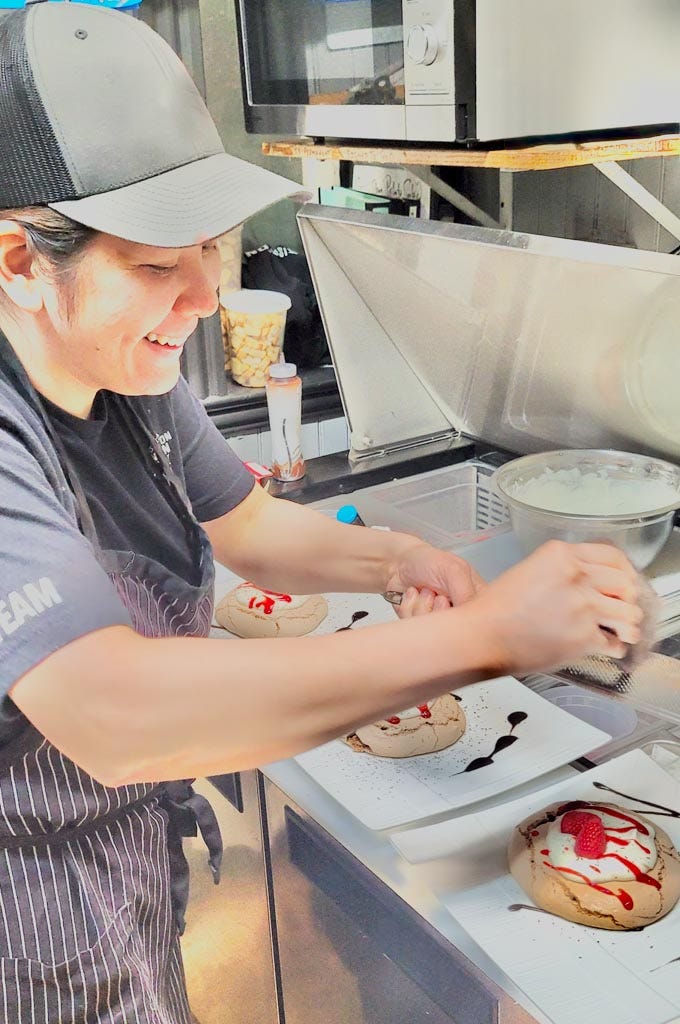
Discovering Pandesal—one of the most popular breads in the Philippines —felt fortuitous. It was introduced to me by my Filipino coworker, Abby. Abby has a particular kind of warmth that can shift the mood of the entire room. You might first notice her giggle, erupting at expected and unexpected moments—something I was amused by at first, and now find completely endearing. Abby grew up in Sucat, Muntinlupa, inside Metro Manila, the Capital of the Philippines, with her parents and lola (grandmother). While Abby is skilled at most things culinary, her love for baking especially comes through in her work. Naturally, we chat often about featured desserts and respective baking projects. I can't remember exactly how we stumbled upon the topic of Pandesal, but for several weeks, it was something we'd revisit. Then cue me, imagining this sweet, fluffy bread roll for so long that I eventually couldn’t resist trying to make it for myself. I knew intuitively it was something special—and evidently something nostalgic for Abby. As I imagined the warm scents of yeast and wheat, I wondered what I would discover if I could recreate Pandesal at home.
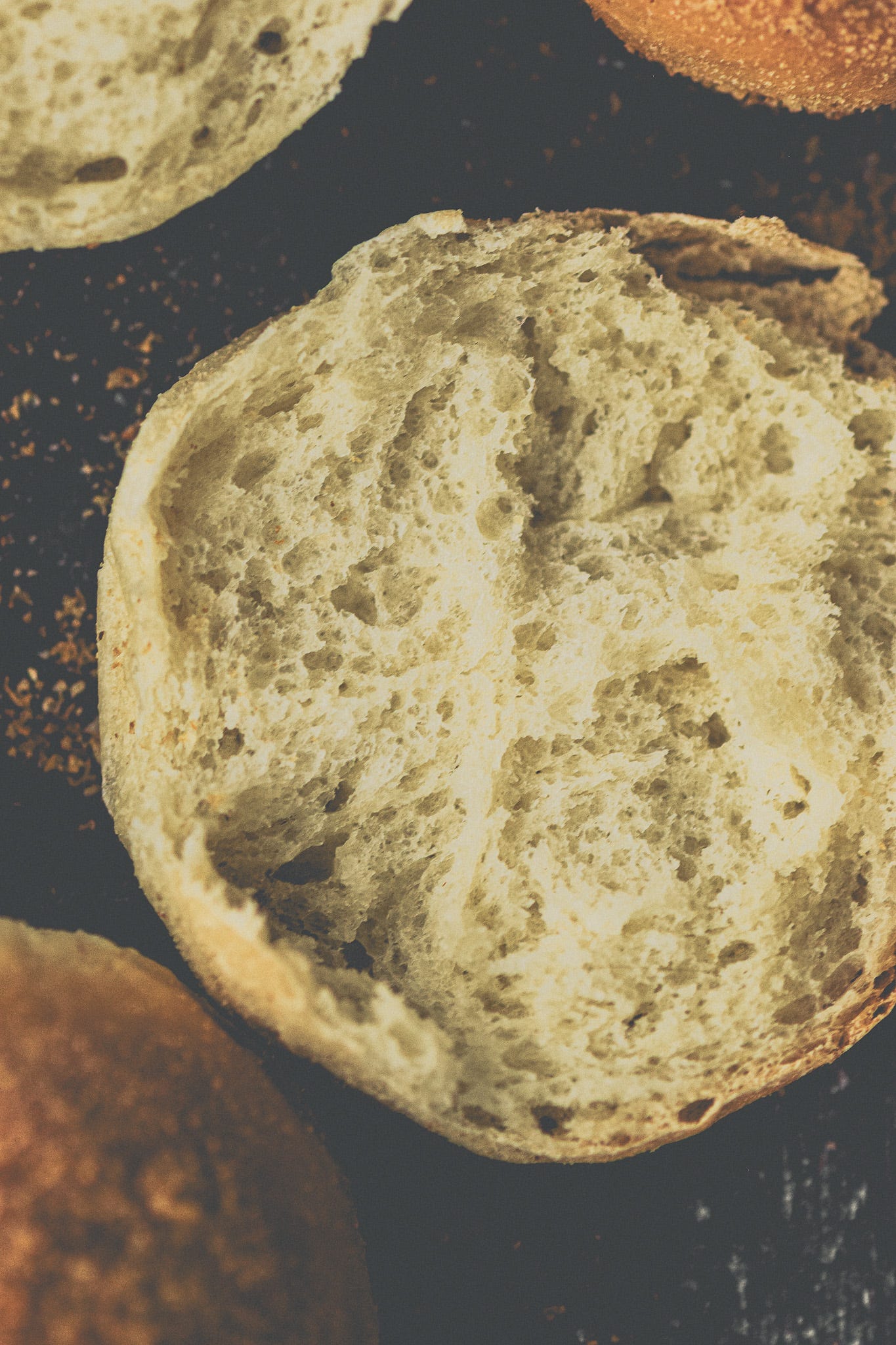
I spent days that spanned weeks in my tiny home kitchen, with various types of flour, yeast, and fats making appearances in my trials. I ate my attempts at Pandesal for breakfast, slowly ripping apart the buns, analyzing their structure, texture and pull. Of course, I kept sharing with Abby and asking for feedback.
“I think it’s too sweet,” I would say to her, on more than one occasion.
“No chef,” Abby would reply. “It’s not too sweet.”
“OK,” I resigned, trying to switch off my over-analytical brain
“Maybe a longer proofing time” I said, “Yes I think so” She agreed.
While each rendition was tasty, I was after Abby’s final approval. When I finally made a batch I felt proud of—lighter, fluffier, softer crumb—I couldn’t wait to share it with her. The key: switching out the neutral oil for shortening in my recipe. While the chef in me could finally rest, the parts of me guided by curiosity and wonder about Filipino culture and cuisine became impossible to ignore.
Pandesal is one of the most accessible breads in the Philippines—and is part of the daily rhythm throughout the archipelago. (which, if you weren’t aware, consists of a staggering 7,641 islands, 2000 of which are inhabited.) More than just bread, Pandesal is comfort, simplicity—a taste of home. While some breads around the globe are a significant part of any meal, Pandesal is to the Philippines what the croissant is to France: a morning ritual that accompanies the day’s first coffee. If you find yourself amongst some fresh Pandesal, go ahead and dunk the sweet, pillowy-soft roll in your hot drink, or tuck some cheese between sliced halves. (I actually really like mine with natural peanut butter)
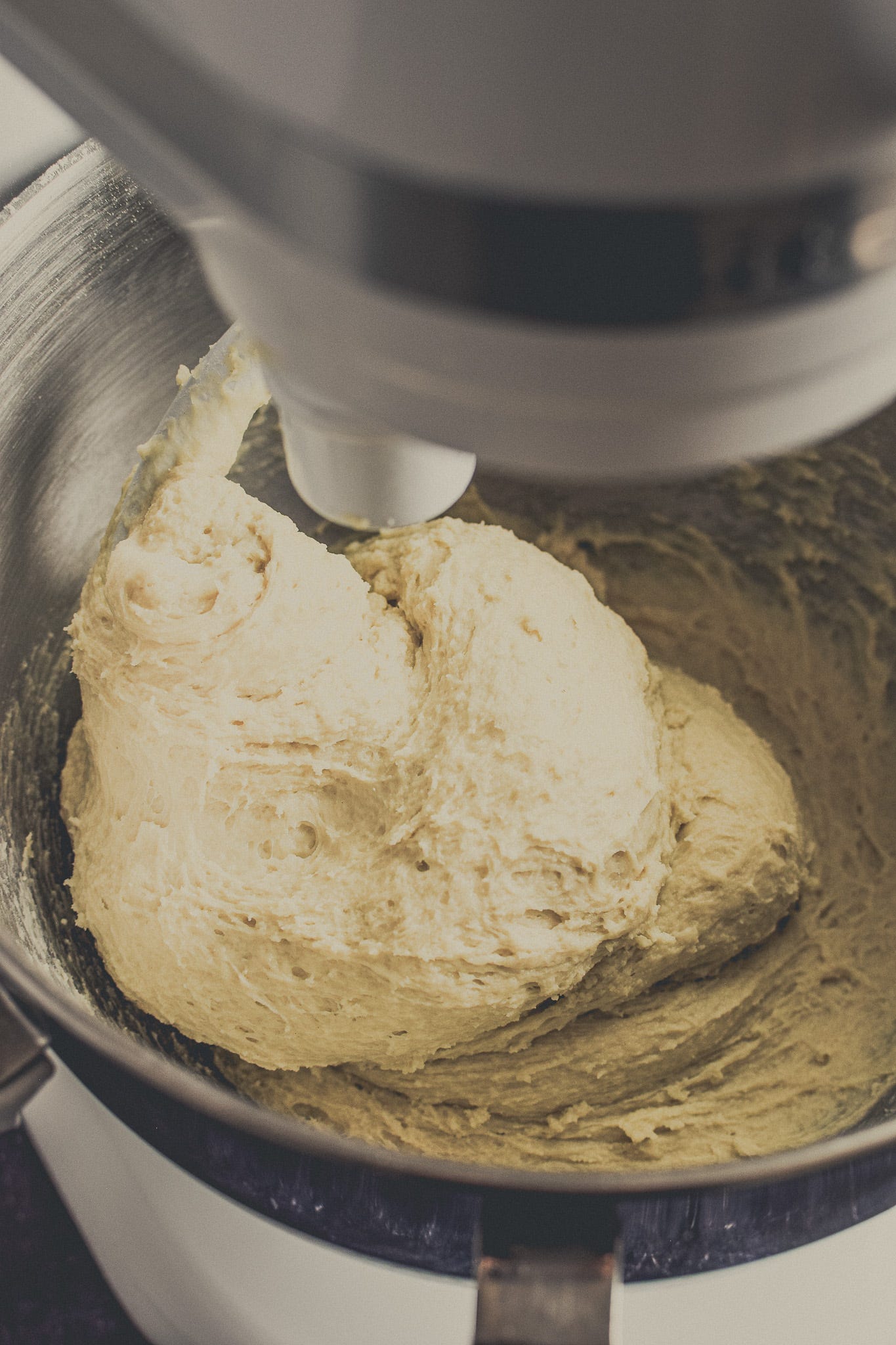
When I look back on my body of creative work over the years, a theme emerges—I love exploring culture through food, yet I crave more than simply following and cooking a recipe from a faraway place. Peering into the past to understand the present cultivates a deeper appreciation, bringing dimension and life to something that on the surface may seem plain or unremarkable. But even a humble bread roll is anything but ordinary when you take a closer look—it, like all foods, is deeply woven into politics, history, and people.
As I tear one of my homemade Pandesal in half, the sandy crumbs cling to my fingers and then quickly find their way to my lap. “This is a day off ritual I could get used to”, I mused to myself. I felt like I was on holiday for a few brief moments as I slumped deeper into the corner of my living room sofa— warm, pillowy Pandesal alongside my milky espresso.
I sent Abby a few quick snaps of the mess I made.
She laughed, “Crumbs Everywhere!”
“Pandesal Problems,” I concurred, not meaning it literally, it’s definitely part of the experience.
The origin story of Pandesal, like much of Filipino cuisine, is a blend of influences—a confluence of indigenous, Spanish, and Chinese cultures—and its roots trace back to a period of colonization. Arriving in 1521 and conquering in 1565, the Spanish occupation not only shaped political, architectural, and religious landscapes but also transformed Filipino culture, food, and traditions. Traces of this period are noticeable in many Filipino dishes, including this beloved roll. Centuries-long trade with their Chinese neighbours, both before and during Spanish rule, introduced new ingredients, notably soy sauce and noodles, adding to the tapestry of influences that make up Filipino cuisine today.
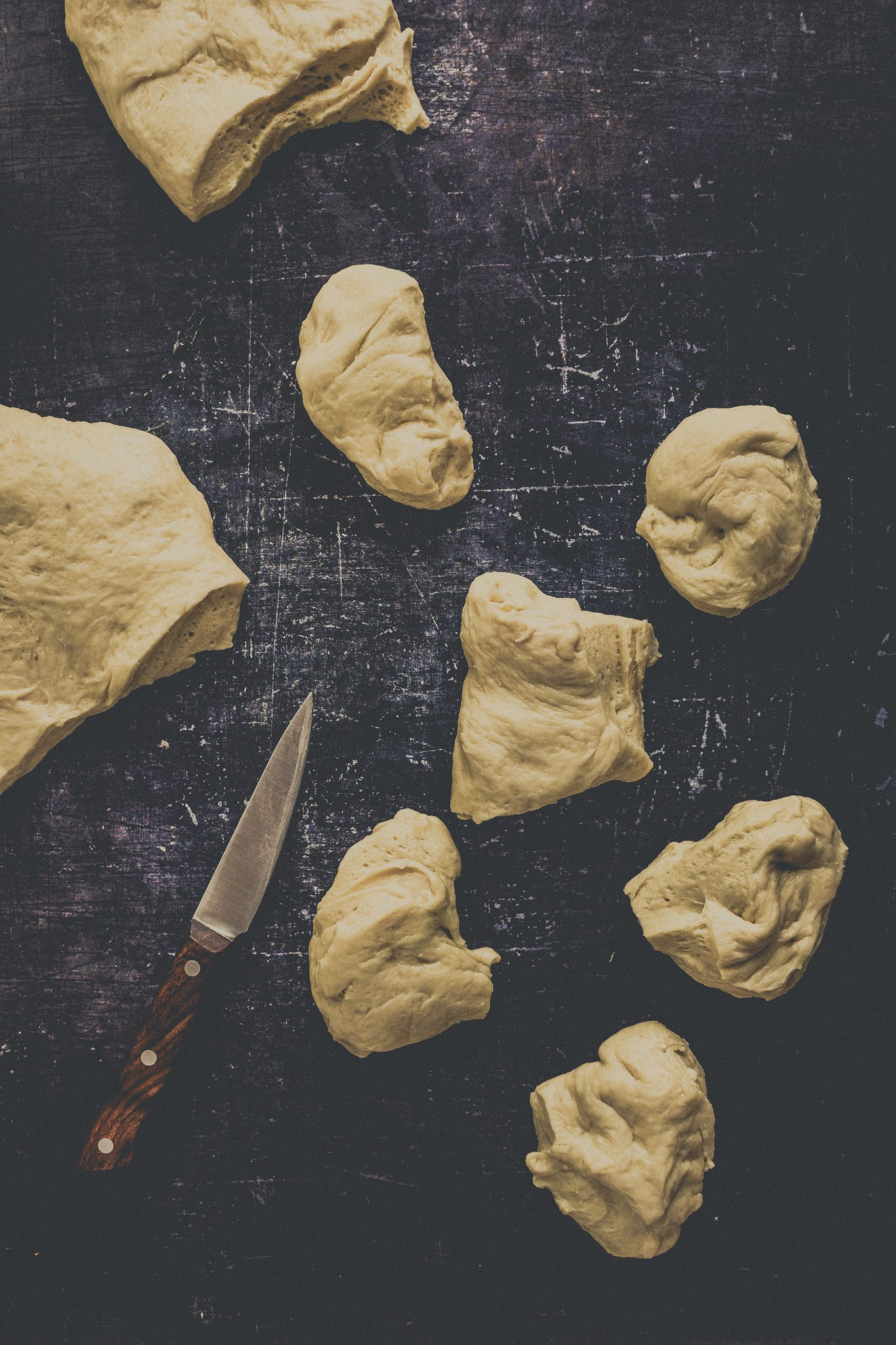
Historical records indicate that the first bakery, called a panaderia, was established by the Spaniards in 1625, in Intramuros, Manila. Yet the main purpose wasn’t to break bread with locals; it was to supply the bread and communion ostia (thin, round bread) needed for masses and the community. It’s then unsurprising that the first breads baked in the Philippines were consumed by the growing Spanish population before becoming accessible to indigenous populations. These first breads didn’t yet resemble Pandesal; instead, these rolls, called pan de suelo (literally “floor bread,” as they were baked right on the floor of a wood-fired oven), were chewy and tough. Over time, the rolls were adapted by local bakers to reflect Filipino tastes and available ingredients. Adding fat to the dough helped improve the quality of more affordable “weaker” flour, and the addition of sugar was simply a matter of preference. This transformed pan de suelo into a roll with a softer crumb and a lighter crust, becoming the sweet, fluffy, and distinct Filipino Pandesal you see today.
Before bread-making became part of daily life, meals consisted predominantly of rice and root crops. However, other starches, such as those extracted from the Sago Palm, were also important energy sources. The traditional process of cutting down a mature sago tree to extract its pith and turn it into an edible product is laborious and time-consuming, yet it is still practiced in some regions. These starches were thickened into porridge, formed into flat cakes, or even wrapped and cooked in banana leaves over an open fire, a reminder that before the arrival of wheat, some starches were already being made into flour, cooked and shared communally, and that the gains of colonization are inseparable from the loss of culture and tradition. Yet despite this, a pulse of resilience shapes what emerges in the aftermath of colonial rule. Almost as if a small act of defiance remains in each dish.
Abby distinctly remembers the smell of the fresh Pandesal her mother fetched each morning. The inviting, sweet aroma instantly filled her with anticipation and excitement about the day. The family’s daily bread, she told me, reminds her of something important: “You don’t always need more to be happy.”
Despite Filipino food culture’s humble roots and its regular use of simple ingredients, beyond Pandesal, much of the cuisine delivers bold, complex flavours that set it apart. While many dishes blend history and culture, the distinctly Filipino aspect lies not only in any single ingredient but in the celebration of togetherness and gratitude.
Adobo is a dish that conveys the spirit of Filipino cuisine perhaps more than any other and is considered the Philippines’ unofficial national dish; it is also one of Abby’s favourites. It features the distinct sweet, salty, and sour notes inseparable from their cuisine. Adobo typically refers to a traditional Filipino stew of meat, seafood, or vegetables, braised in vinegar, soy sauce, lots of garlic, and spices. “We call it “pa lang ulam na” Abby said, “I love Chicken or Pork Adobo, and then putting the sauce on my rice. For me, any kind of adobo feels like home, but my mother’s Adobo is the best!”
Adobo is an example of a cooking method of indigenous origin—cooking with vinegar and preserving with salt were common practices in pre-colonial times—yet we can see Spanish influence in its name. (Adobo comes from the Spanish word adobar, “to marinate”) and the addition of soy sauce points to the dish’s evolution through trade with China.
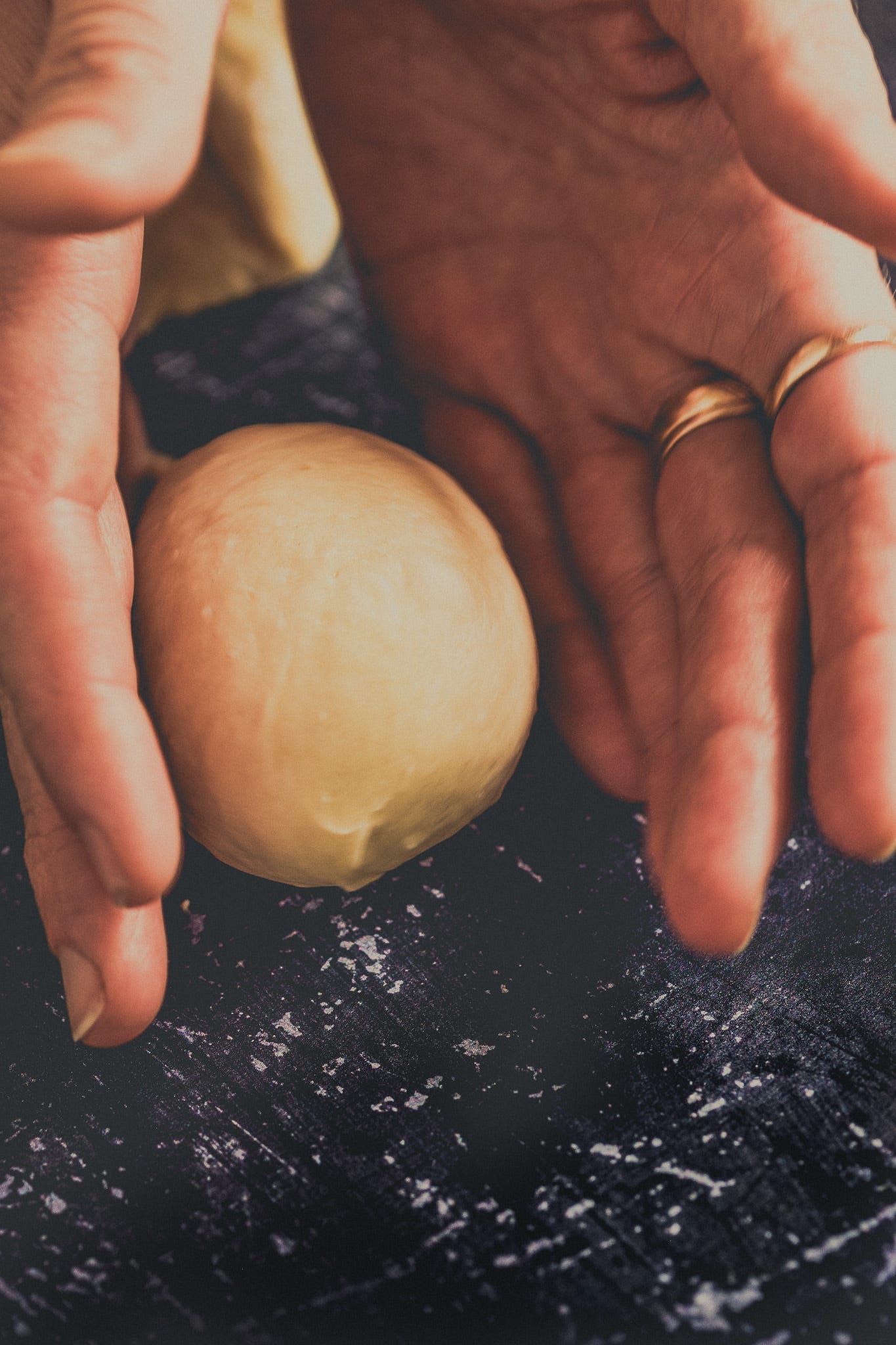
While it’s easy to look at the result of this cultural fusion today with wonder, it’s important to note that Filipinos weren’t waiting for European influence and civilization; Life prior to that, while there was certainly internal conflict between settlements, was already vibrant and complex; they had their own sophisticated writing system, poetry, and an intricate understanding of agriculture, seafaring, and metallurgy.
Yet colonization never waits for consent, and the three hundred years of Spanish rule were tumultuous. Spanish authority was achieved through military conquest, but was only half the strategy for expanding control over the archipelago; the other was the cross. Entire colonial towns were built around and defined by the Church, systematically replacing indigenous beliefs with Christianity. During this period, Catholicism swept across the islands. In time, this meant moving away from the indigenous practices of animism (cyclical, seasonal, naturalist) and ancestor worship towards daily prayers, mass, and feast days honouring saints throughout the year. It completely altered the shape of communities and events, introducing a rhythm with far more structure in everyday life.
Today, modern panaderias can be found in major cities and towns, where bakers work diligently to prepare trays upon trays of Pandesal, ready before sunrise for the lines of people waiting to buy the rolls (and often other varieties of bread) fresh and warm. Abby told me that each day started around 6 AM with her mother bellowing, “Pandesal!” Indicating she had just been to the street vendor only a minute from their home and had returned with the warm, fresh-from-the-oven buns. “This was perfect”, Abby said, because “I never wanted to get out of bed, but I wanted fresh Pandesal before it sold out. “Then, I would happily eat 10 Pandesal in one sitting, dipped in instant coffee for breakfast.”
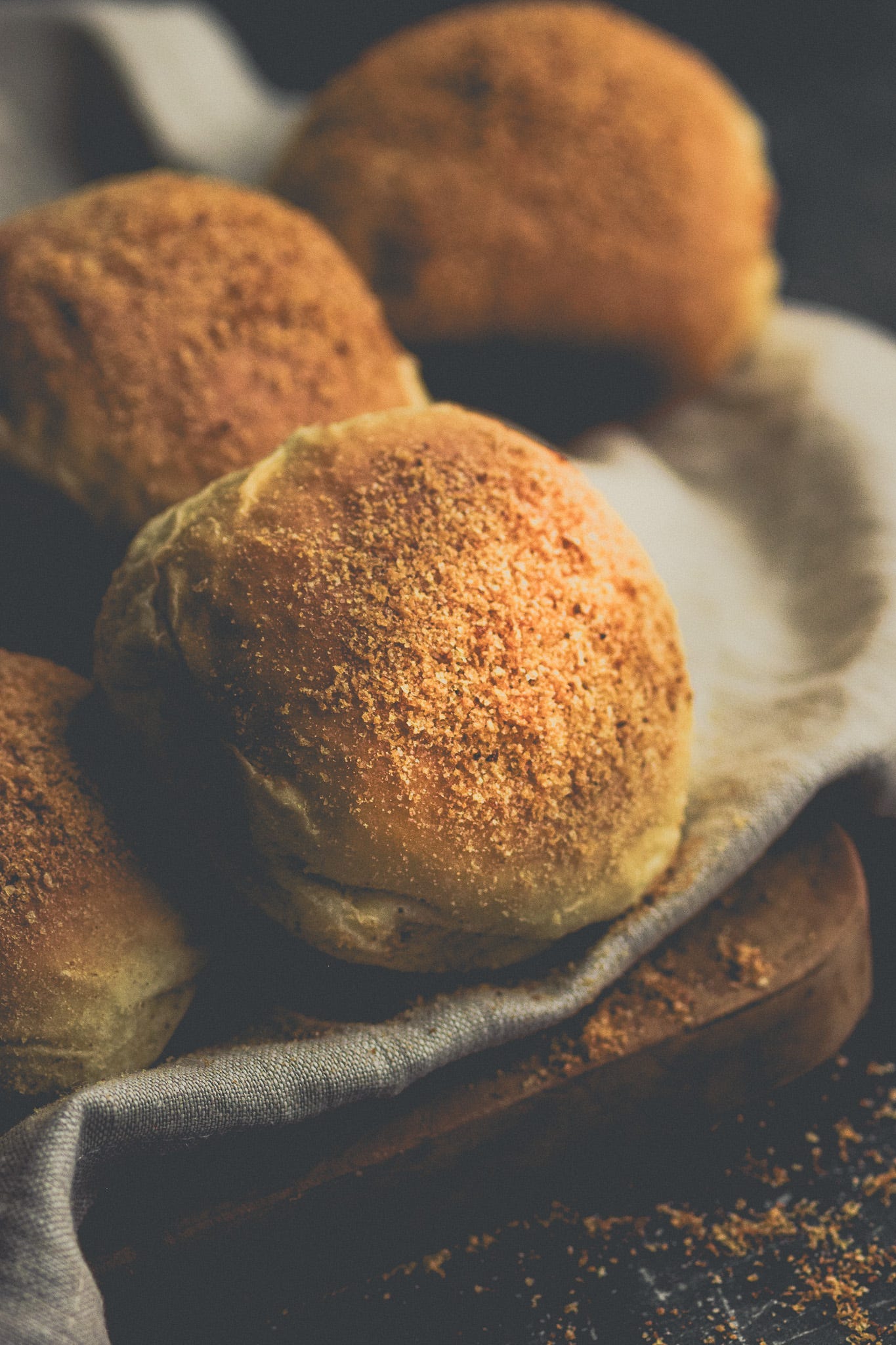
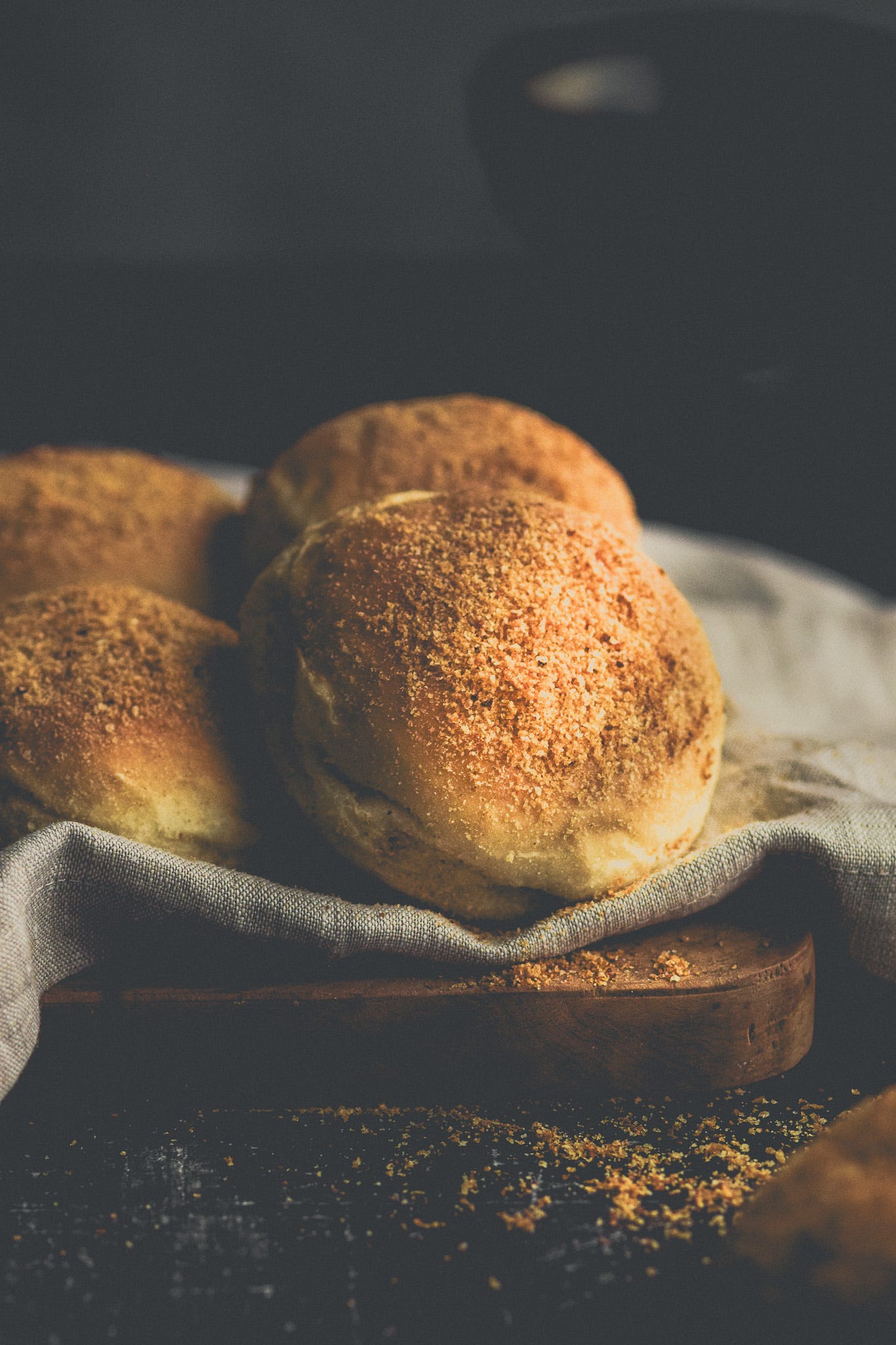
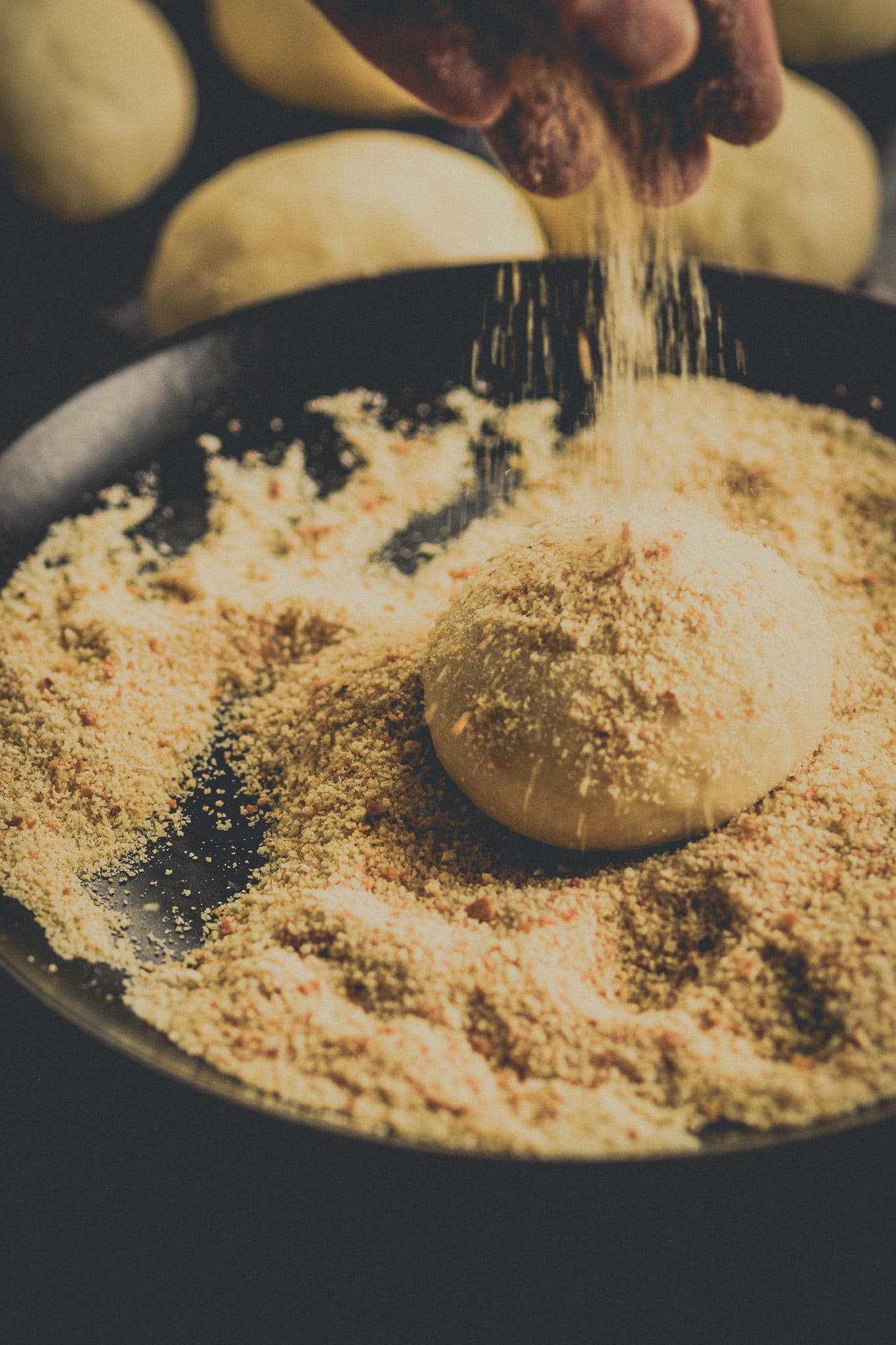
Upon hearing Abby’s accounts, I began to explore the morning ritual of Pandesal in the Philippines. I eventually came across a family-owned bakery in Quezon Province—Tayabas Bakery—that first opened its doors in 1944. I watched (online) a baker form huge mounds of sticky, risen dough into several long ropes on the work table with expert precision, before swiftly slicing them into even pieces. Stacks of metal trays patiently brushed with butter were waiting for the balls of dough—a resting place for a final proof, which is essential to developing Pandesal’s distinctly light and fluffy structure. Yes, this classic Filipino bread roll is delicious, but it also has a unique visual charm. Before baking, the rolls are tossed in breadcrumbs, adding a delightful sandy coating to their surface—it’s most unmistakable characteristic. Finally, the Pandesal are baked in the bakery’s traditional pugón, the original wood-fired oven used since the bakery opened its doors in the 1940s.
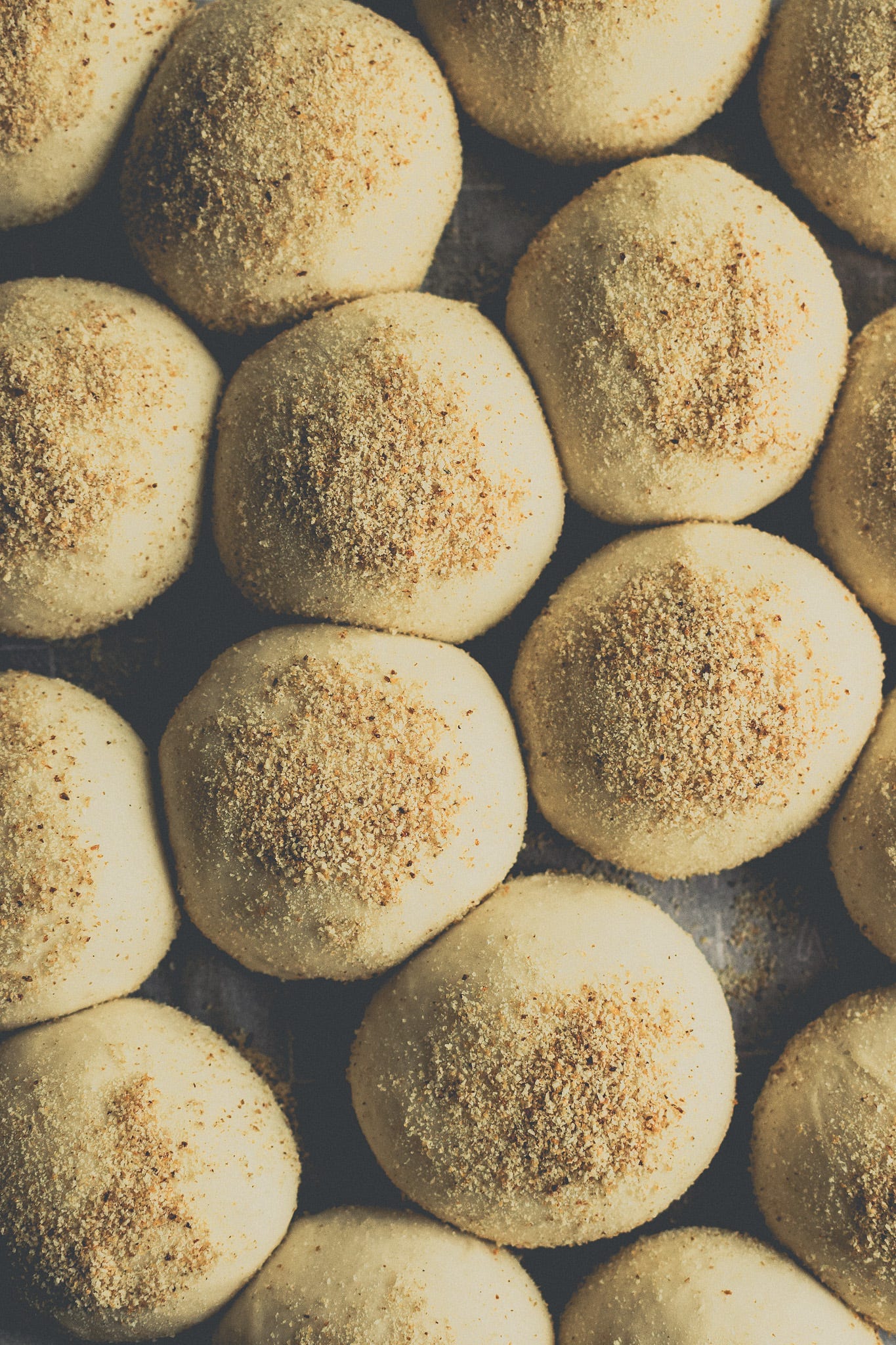
As Abby, her husband Roy, a couple of other coworkers, and I stood in our work kitchen early one morning, surrounded by my (hopefully) perfected batch of Pandesal, I thought about the many weeks leading up to this culminating moment. The spring sun shone through the main window into the tiny space where we spend much of our lives, warm beams of light landing across the stainless steel surface where I had set the Pandesal. The speckled breadcrumb coating caught the light as we each reached for some. A quiet moment, breaking bread, before a particularly busy day ahead of us. As we sampled, Abby’s eyes widened. I couldn’t handle the anticipation.
“ Tell me words, Abby!”
“I have no words, chef.”
Roy broke his silence long enough to tell me he felt like he was on his terrace in the Philippines, enjoying Pandesal.
I took a breath, almost as if I hadn’t in weeks, as a quiet satisfaction settled into my chest. I had been driven to perfect my Pandesal for more days than I could count, yet the greatest pleasure wasn’t in finally finishing a recipe; it was in sharing it with Abby and Roy; in experiencing a small taste of Filipino food culture. Abby’s sentiments, along with our chats, had ultimately demonstrated what I had initially suspected: that Pandesal was more than just bread. History, memory and togetherness are baked right into its crumb. The whole process reminded me that connections and friendships sometimes form in unexpected places, that there is joy to be found in the simplest of moments, and that the Filipino table is about so much more than just flavour; it reveals the heart of the people.
If you are interested in my Pandesal recipe, you can find it here on my blog.